GOLD . METAL OF KINGS
Gold has fascinated civilizations for thousands of years, symbolizing wealth, power, and beauty. It has been used in currency, jewelry, and art since ancient times, maintaining its status as one of the most valuable and desired metals. But what makes gold so unique?
Gold is a noble metal, meaning it does not tarnish or corrode over time. Its brilliant luster, rarity, and malleability make it ideal for crafting intricate jewelry and investment pieces. Unlike other metals, gold remains unchanged for centuries, preserving its beauty and value. Gold is one of the most popular metals used in jewelry. It is often mixed with other metals to improve its durability and color variations, giving rise to yellow gold, white gold, and rose gold. Additionally, gold is a safe investment, with its value historically increasing over time.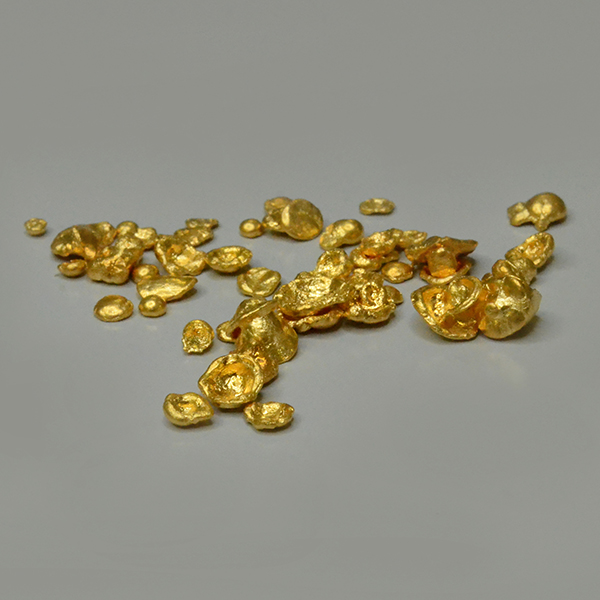
TYPES OF GOLD USED IN JEWELRY
YELLOW GOLD . THE TIMELESS CLASSIC
Yellow gold is the most traditional and natural form of gold used in jewelry. It is created by mixing pure gold with metals such as silver and copper to improve strength and durability.
Pure 24-karat gold is too soft for everyday wear. To create yellow gold jewelry, gold is alloyed with silver, which adds brightness and durability and copper, which enhances strength and provides a warm tone. The most common purities of yellow gold are 18K (75% gold), 14K (58.5% gold), and 9K (37.5% gold).
Yellow gold has remained a classic choice for engagement rings, wedding bands, and luxury watches. It does not tarnish or fade over time, making it an excellent choice for heirloom jewelry. Its warm tone complements warmer skin tones, enhancing its popularity among jewelry lovers worldwide.
WHITE GOLD . THE MODERN ELEGANCE
White gold is a gold alloy mixed with white metals, such as palladium, nickel*, or silver. White gold has a silvery-white appearance, often enhanced with a rhodium plating which gives white gold its bright, reflective surface. Rhodium is the most expensive metal in the world and it is antiallergic. The most common purities of white gold are 18K, 14K, and 9K.
*It is important to mention that nickel has been shown to be the most common cause of skin contact allergy in Europe. European Directive 94/27/EC specifies very strict upper limit for nickel release in articles which have direct and prolonged contact with the skin - such as jewellery!
White gold is a preferred choice for modern engagement rings and wedding bands. It pairs beautifully with diamonds, making it an elegant option for fine jewelry, offering a luxurious look.
ROSE GOLD . THE ROMANTIC CHOICE
Rose gold, also known as pink gold or red gold, has a warm, pinkish hue. It is created by mixing gold with copper, which gives it its distinctive color. How Is Rose Gold Made? Rose gold is an alloy consisting of gold, as the primary metal, copper, which adds a reddish-pink hue, silver, which softens the shade and improves malleability. The most common purities of rose gold are 18K, 14K, and 9K.
Rose gold has a romantic and vintage appeal, making it a favorite for engagement rings and fine jewelry. It complements all skin tones and is more durable than white gold since it does not require rhodium plating. Its warm, luxurious appearance has made it a major trend in contemporary jewelry.
CZECH ASSAY HALLMARKS FOR GOLD
In the Czech Republic, all gold jewelry must be hallmarked to ensure authenticity and quality. The Czech Assay Office (Puncovní úřad) regulates gold purity and stamps items with specific hallmarks. Each gold item is marked with a symbol indicating its fineness (purity)
Au999/1000 (24K gold) – Eagle head symbol
Au750/1000 (18K gold) – Rooster head symbol
Au585/1000 (14K gold) – Swan head symbol
These hallmarks guarantee the purity of gold and help buyers verify the authenticity of their jewelry.
READ MORE ABOUT HALLMARKS USED IN OUR JEWELRY